I’ve been meaning to review a seven-course for years. I’ve had elaborate meals before, but never had been in a position to write an expert review. After starting GFR, I waited patiently for my chance to come across an expertly crafted seven-course meal. I saw a poster advertising Dastarkhwan-e-Mughal a few days before the dinner. The first team I approached, was pretty excited to take down my details and allergies, but they failed to follow up. Passes were expensive, and much sought after, I was getting worried getting my hands on one. A couple of days later, I met Shashi advertising the fest. Shashi is a courteous enthusiastic Chap. Dressed crisply, and with a firm handshake, he rose to greet me and elaborate the meal. I was already in the know on the plan, yet we walked through the whole premise of the dinner. I hammered down my allergies again and again just to make sure they don’t forget
This is a Mughlai dinner, the entrees are known to have a base of cashew paste, which is deadly for me. Shashi was pretty reassuring in his promise to get me on board for the dinner. He even promised a refund should I die from my allergies. I voiced my concerns about the previous team not following up with me, and some ‘informal’ statements later I came to know about the incompetence of the previous team. I paid him and got my pass. Half an hour later, I got a call from him assuring me he had spoken to the head chef, who promised to accommodate my allergies. The guy deserves no benefit of doubt. A little Facebook stalking revealed he’s interned in the Marriot, Vivanta, and the Oberoi. He knows his job well.
I prepped myself for the dinner from three days in advance. I weaned myself off food and fasted for two entire days just to free my palate of bias and past tastes. By the time Saturday arrived, I had forgotten what food tasted like, and was ready to dive head first into a gastronomical adventure. Shashi called in between to confirm my allergies, attendance and preferences. Aye, what a great chap.
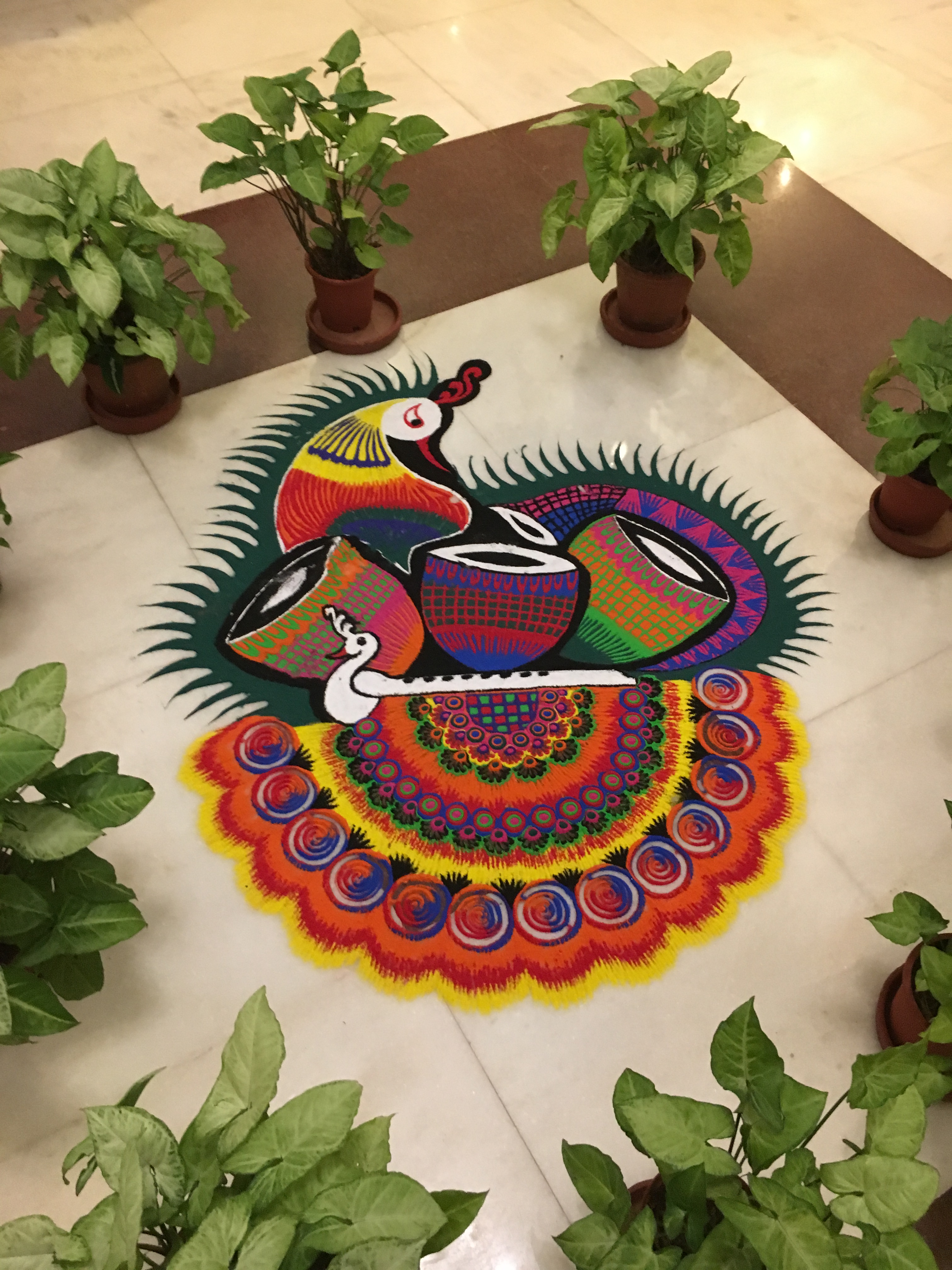
Saturday arrived. I took a shower, prepped my mind for food, and dressed like someone who does Gourmet reviews. I reached the hotel and moved about checking the place out. There was a lovely Rangoli welcoming guests. It was stunning, and did the job of a good welcome.
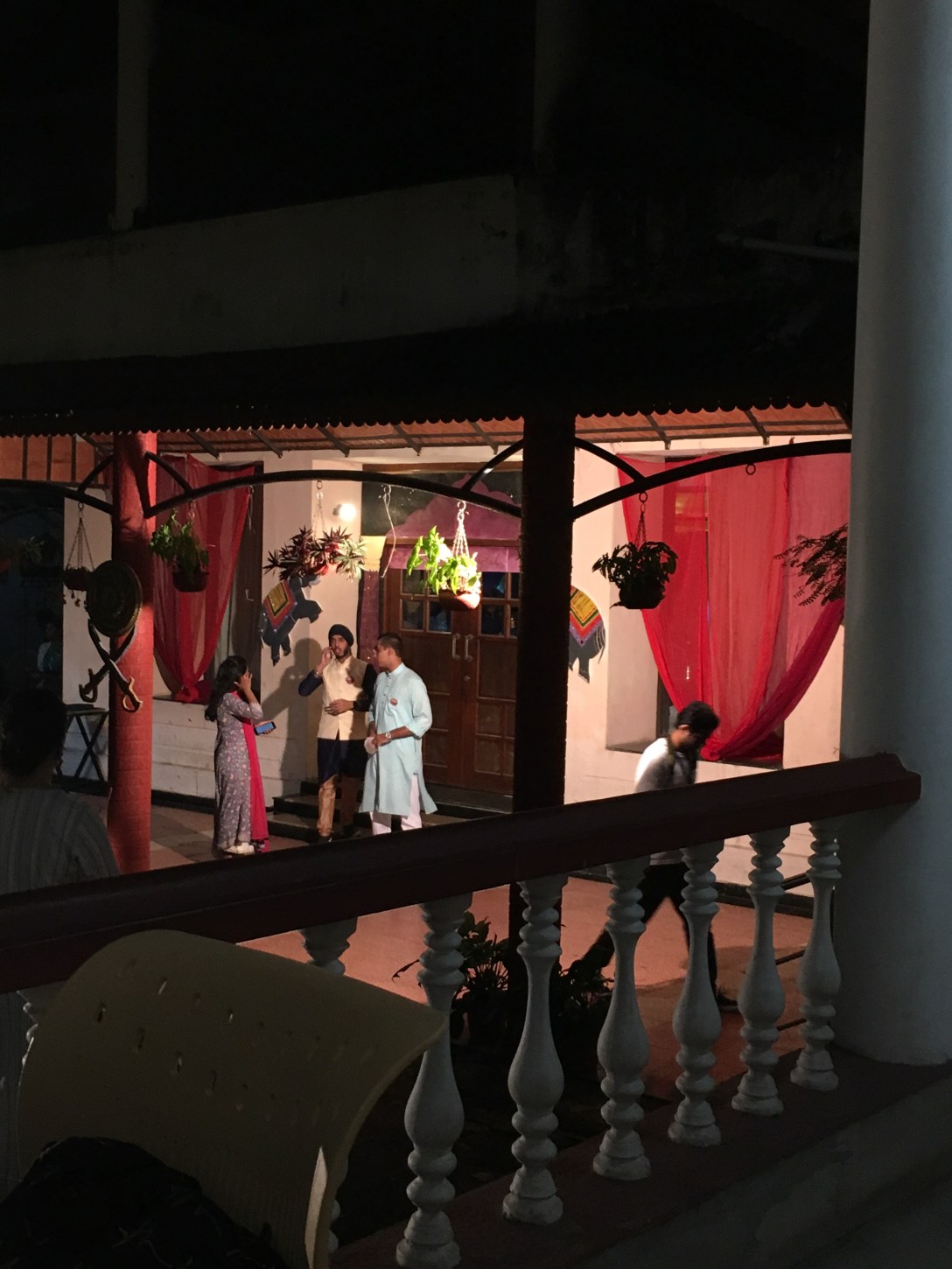
Seats were limited in the dining area; I was asked to wait my turn till a table was freed up. It was quite a long wait. I waited for half an hour, read a newspaper in the meanwhile. Soon enough, a guy from the organizing team walked up and invited me in. this was a Mughlai fest. Everyone was dressed immaculately in regal Punjabi suits and salwar-kameezzes. The venue setup was… amateur to say the most. I was told they were going to erect a shamiyana. Sure, technically it was a shamiyana, minus the grandeur you’d expect with a shamiyana. The hall was thoroughly air conditioned, there’s that. I was completely dry from any perspiration by the time I was led to my seat. I like being dry, it takes me further away from going insane. Maybe that’s what the wait was for.
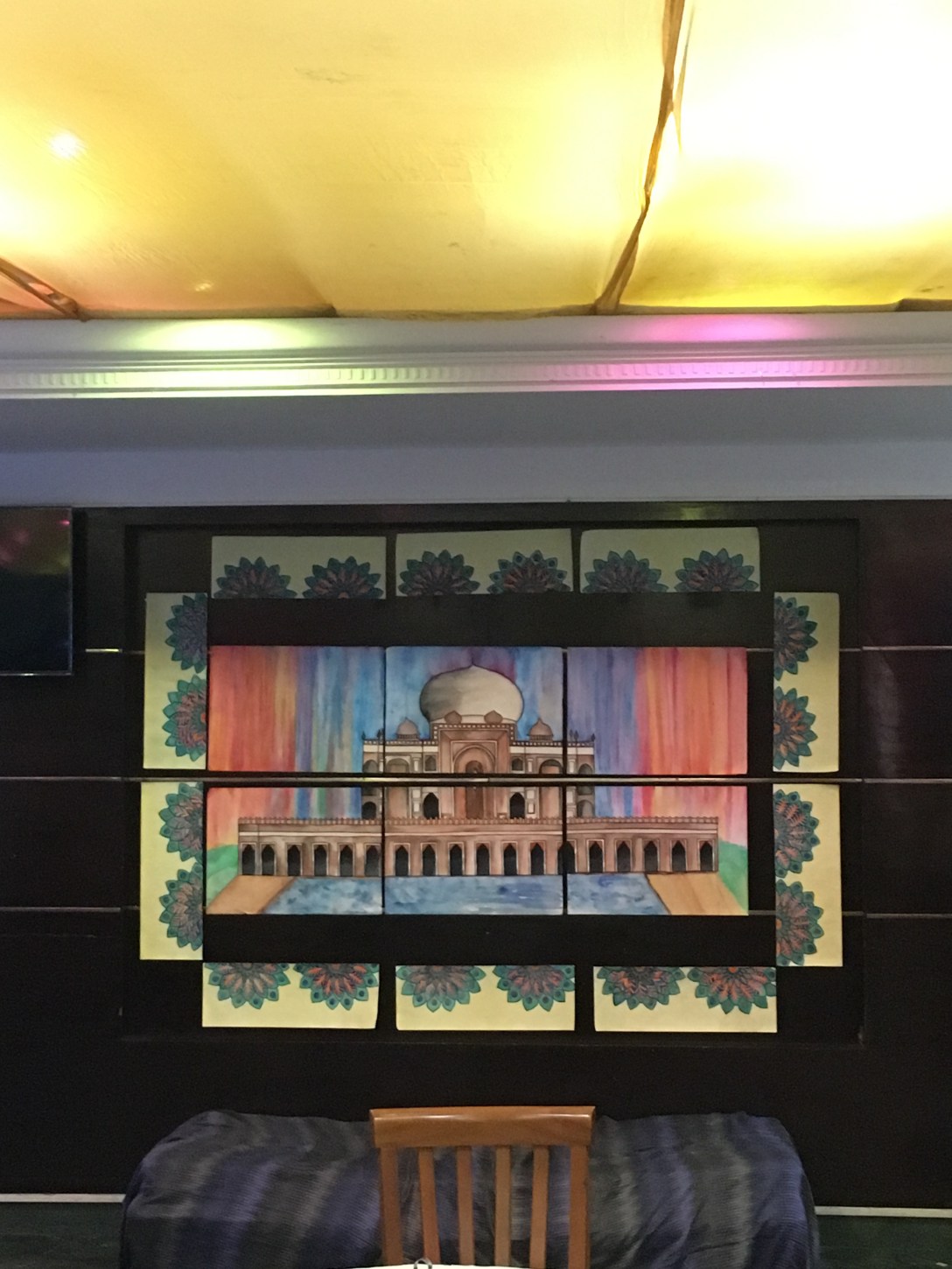
On being seated, I was assured that the menu had been adjusted accordingly to accommodate my allergies. Portions were cooked separately just for me. Even the biryani, which I was told was ‘cooked underground for days’ was free from any cashew nuts and almonds. I was moved. I settled in and looked around. The lighting felt dim yet felt good enough to make me feel cozy. It was great for being at ease, but not bright enough to adorn the food that people wanted to photograph. I usually judge the standard of the menu by examining the quality of paper napkins they have. This is a good indicator of how far they’ll go for a good experience. Generally, places which cheap out on paper napkins aren’t that good on other fronts too (sure there are exceptions, but you could see this as a rule of thumb). The guys here passed the napkin test too. They were pretty good, leaning more towards a cloth ‘feel’. The furniture wasn’t deserving of a Mughal guest, and neither was the table cloth. It was a little worn and felt like being of age. The ‘wrinkles’ on the table cloth weren’t a con, but gave the guest a sense of comfort, of being a guest at someone’s personal place instead of a place managed by a corporate. It was worn and soft enough to feel like a homely table. I like it. It didn’t give vibes of industrially washed railway linen. The venue had the ambience deserving of being accepted as a comfort zone. It truly made a guest sitting there comfortable. Acoustics weren’t great, but the cloth from the shamiyana gave some relief. It wasn’t the ideal place for quiet dinner with a loved one, but a place where one came to appreciate the food. A true connoisseur of food doesn’t care what kind of environment, location, or time food comes, she’s there to taste food. That’s what matters. There was live music, churning out Sufi hits at the ready. The music gave the event a groove, that resonated well with the Mughal spread. There was a luscious aroma wafting the air that set the mood for dinner.
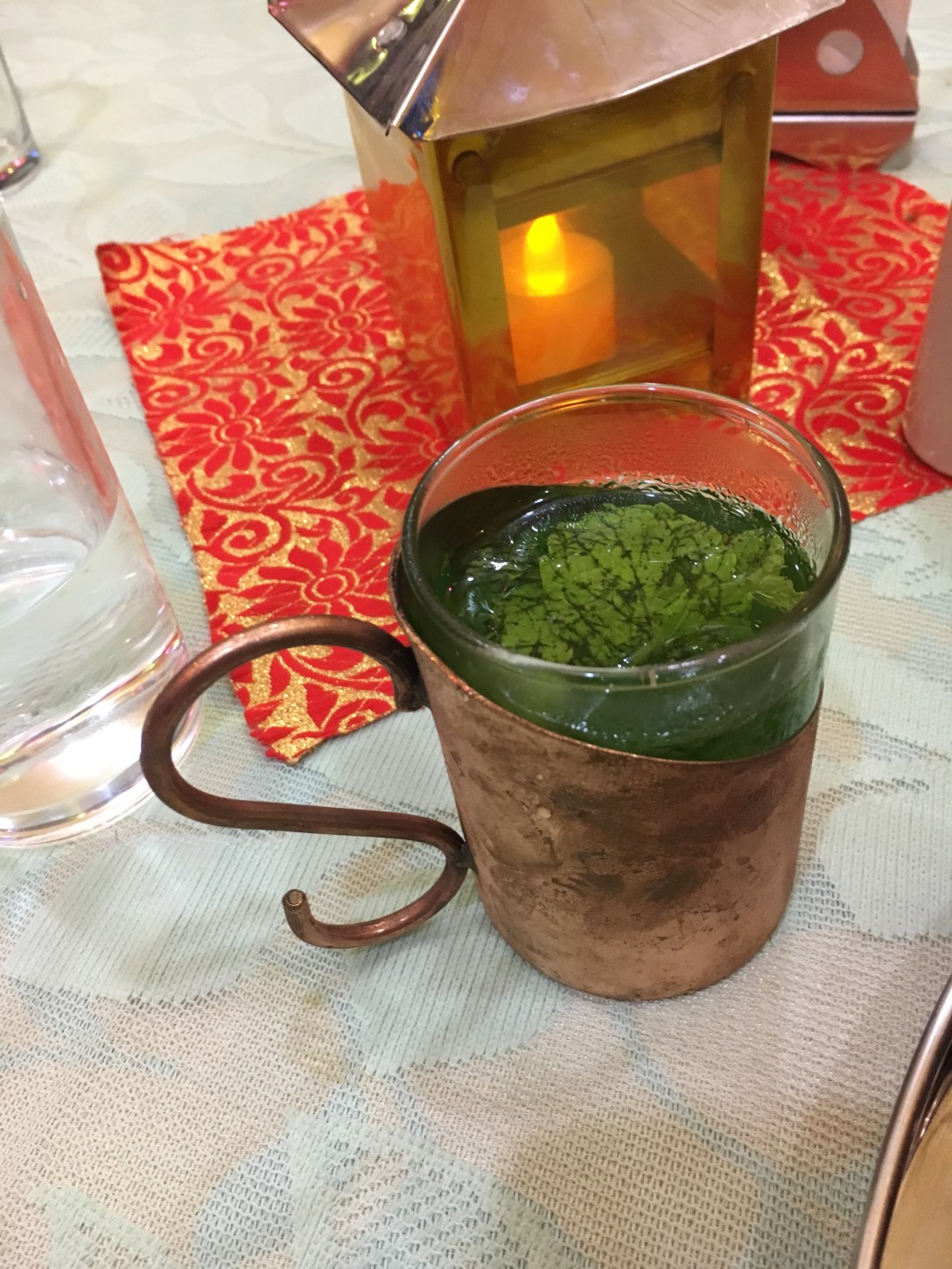
The dinner began with the first course being served; a khuskhus sherbet. It came in a dainty little copper container, well cooled by the icy drink within. The container had weight, was surprisingly felt balanced and was always cool to the touch. Picking it up felt like picking up an iPhone X, premium quality build, uncompromising in its finishing. The sherbet was delectable. It was well cooled and made for a truly refreshing drink. It tasted seedy from the poppy and had a very noticeable undertone of peppermint, with just the right amount of sugar. The ‘seedy’ poppy taste was thoughtfully paired with real vetiver, which did a great job in refreshing me. I felt myself cool down from the inside as the beverage passed my gullet, with the mint eventually easing the frayed nerves in my brain. This is a drink that can be truly be classified as a refreshment. I felt younger after drinking this. This is a beverage that delivers vigor and solace to a soul that’s been tormented by unforgiving weather for years. To the mind of a whimsical food critic, this bought rejuvenation and happiness. Seriously, why aren’t we advertising this?
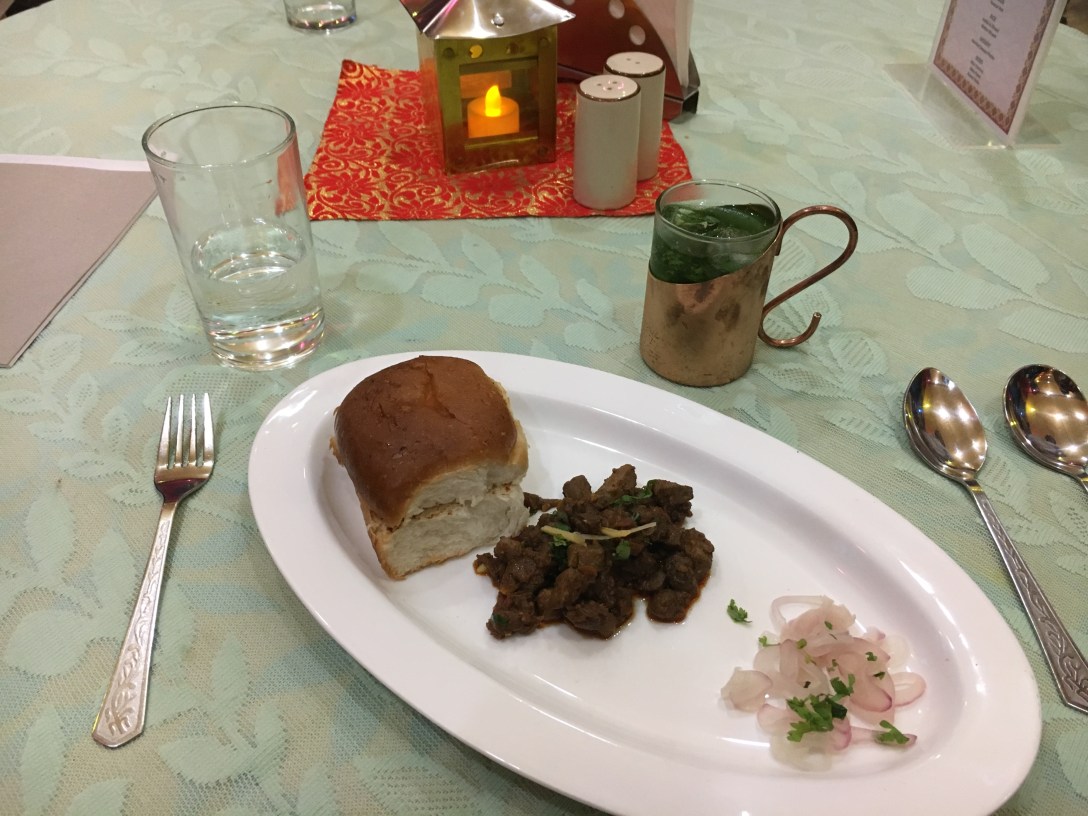
The first and second course were served together, the second being a serving of ‘Kheema Khaleeji’ and Sirka onions. In his sales pitch, Shashi lamented on the unavailability of good mutton anywhere nearby. I was told they’re bringing in the mutton from afar, Bangalore in this case. I wasn’t particularly a fan of mutton prior to this. The mutton I’ve had before this has seldom been good, it was never cooked quite well, and has made me feel like a cow chewing cud for taking so long to break down.
The kheema here came with a gently roasted buttered bun and some onions. The plating was nice yet felt a little sparse. The bun was nothing special. It was rightly roasted and was crunchy at the surface and was the typical bun that’s available in packets. It had a sweet aftertaste. The onions were on point. They felt recently chopped and didn’t lose their moisture from the time they were chopped till the plate was served. The onion went well with the mutton right next to it. The mutton was steaming when it was served. On taking a whiff, I felt the unmistakable aroma of spiced meat. This differs from the scent of cheap chicken being cooked that you encounter while driving past a food truck. The aroma had rich overlays of roasted spices and fatty extracts. The aroma was distinct, and conveyed it was cooked with dedication and love. The meat was garnished with thin ginger strips, which were a delight to have. The ginger went well with the meat and bought in some astringency to the fat and meat. Eating the mutton bought forth the succulence of the meat. It was made well. Mastication released extracts that flooded my mouth. The flavor came as a shock. It hits the roof of your mouth and travels all the way to your sinuses and gives an explosion of flavor. It frays your nerves and frees your mind. The sheer quality of the preparation made up for the small portion sizes in this course.
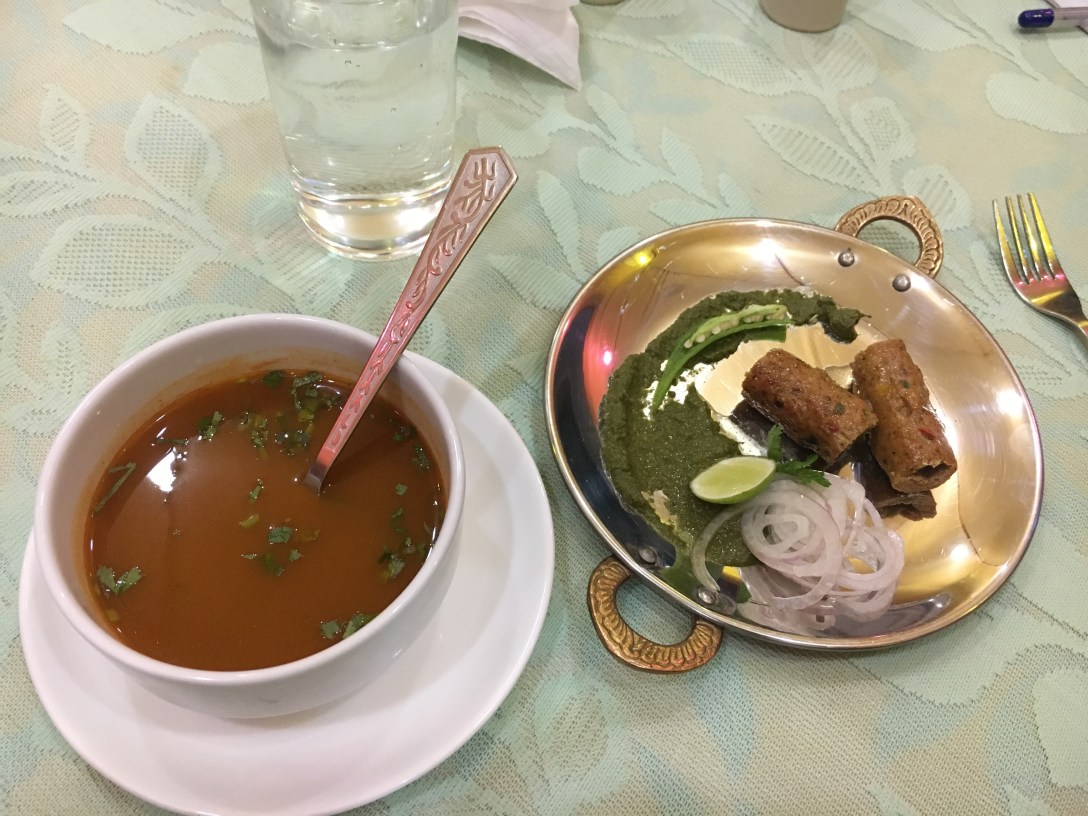
The next course was a tomato shorba and a chicken Gilaafi Seekh. They’d accommodated me with a tomato shorba in place of the badaam shorba I had planned, to which I was allergic to. I started with the Shorba. The shorba was your everyday soup. This too was well made. I didn’t carry the ‘Knorr-y’ flavor that you’d find at places where they cheap out. The colour was accurate. It looked like it was made from real tomatoes, in a homely kitchen. The texture could have used some work, or it was just me being used to thickened soups. The residue on the side of the bowl was reassuring, though. Drinking the shorba removed all doubt. It was hot, not scalding. Just perfect for consumption. I could get hints of coriander, pepper, and cilantro. The shorba got thicker and spicier as I approached the bottom of the bowl. This is where the pepper kicked in. I could feel it pack a punch with each sip warming my throat. I had low expectations from the shorba in the beginning, but the delicate spicing of the soup had me smacking my lips in the end.
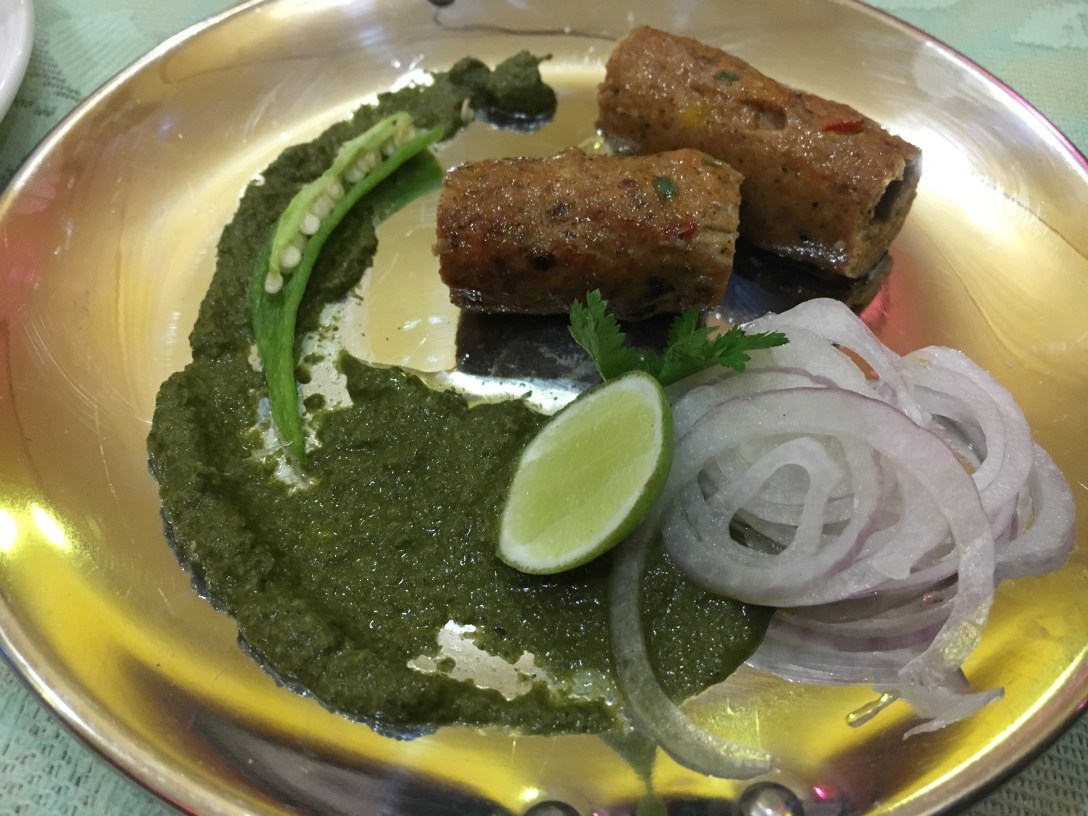
The chicken was a treat too. It had cooled down before I got to it, but still retained the warmth from the spices. I forewent the cutlery and used my finger to deal with this one. The surface was bumpy, not rough. Time on the grill made visible a layer of fat that locked everything in. It was searing and dripping by the time it was plated. The Seekh broke easily and was very crumbly in the mouth. The ease by which it fell apart made for a kind of immediate release of flavor. This was a kebab made to make you feel hot. The mince melted in the mouth. I felt the warmth sear my insides as it went down. The cloves were very well incorporated here. The chill made my sinuses run. The coriander along with the rest of the flavors, in a show of hegemony by the chef gave a jolt of spice to the whole preparation. Adding lemon does wonders to spiced meat and this was no exception. The lemon managed to suppress the heat and bring out other flavors’. The green chutney that came with it complimented the chicken. It was cold, probably refrigerated. Copious amounts of mint and a heavy cilantro influence allowed the chutney to be the opposite of wat the kebab wished to create. It was an effective antidote to the heat, yet a side that made the chicken that went with it even better. I’ll rate the chicken an eight and a half out of ten. Maybe if it was warmer when I had it or had it been served with something other than a shorba, this would be an easy 9. By the time I was done with this course, I had already crossed into ‘satisfied’ territory, yet waited patiently for what more was to come.
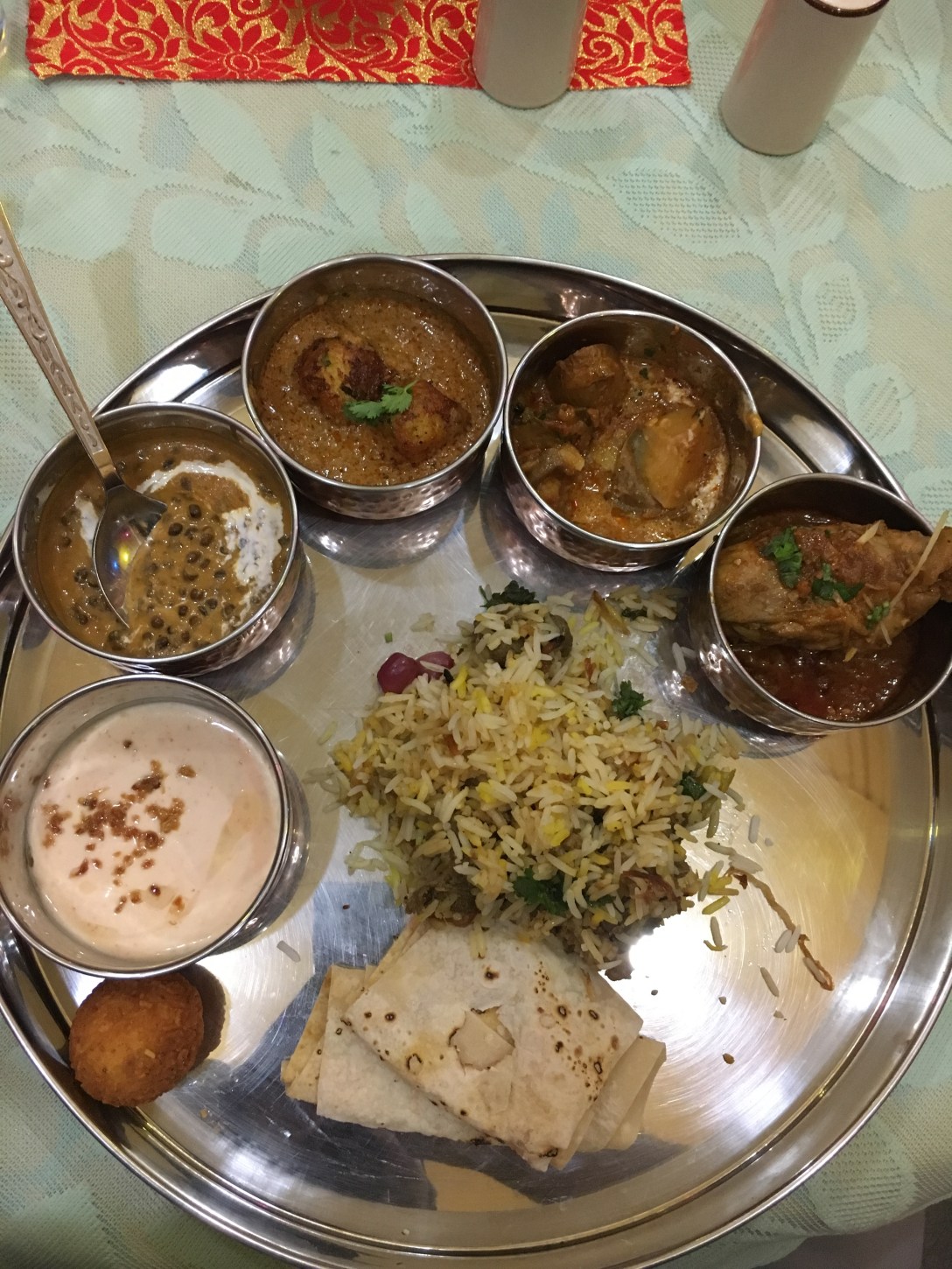
The main course took around fifteen minutes to arrive. Along with it came a pot of chicken biryani. I was expecting great things from this biryani. Shashi hyped this a lot in his sales pitch. The server opened the dough seal and served me the biryani. The biryani let me down a little. You see, biryani doesn’t depend on the rice. So, Basmati isn’t a prerequisite to make Biryani. The rice is merely a vehicle to deliver the flavor to your taste buds. The biryani here was very deficient. Let me put it this way. To an individual who hasn’t much experience with biryani, the first biryani he has is questionable. The individual expects an assortment of flavors assaulting him. But no, biryani isn’t like that. It’s a delicate mixture of intricate flavors perfected by combining spices in fat and stewing them with rice and meat. After a while, the consumer can appreciate how the spices are put together and how well they go with the style of cooking. Should it be done right, the spices penetrate deep into the meat and ooze when you masticate them with rice. The sautéed onions are like a ball bearing bomb, with a lot of spices adhering to them; being released the moment they contact your tongue. Now this is where the Biryani I was served fell short. The rice grains were too voluminous, the flavor not attached. For something that was hyped this much, it felt a lot like having lightly flavored rice. Again, rice isn’t where biryani should excel, yet they got it wrong. I was left with a starchy heap occasionally punctuated with spiced onions. The meat however, felt well done. The experience overall felt like watching someone eat biryani. It looks good, smells good, but there’s the magical feeling of being lost in flavor which the spectator doesn’t get. I was merely convincing myself of being in a biryani reality, not immersed in it. The meat in spite of being ‘biryani grade dry’ held its flavor well. It lacked the fat but held taste in its depth. Large enough chunks of meat alone didn’t overwhelm the palette as in the case of well-done biryani. The Burani raita that came with the biryani was top notch. Significant attention had been given to its preparation and quality. Everything was right here. The texture was perfect, the sweetness and temperature were on the dot. Not much is there to say about something that is done so well. In fact, I’d even say the biryani was overshadowed by how refine the raita tasted. Now this is premium gourmet raita. Real raita made by real people who know raita, not a callous line cook who treats raita like a TV soap stepchild.
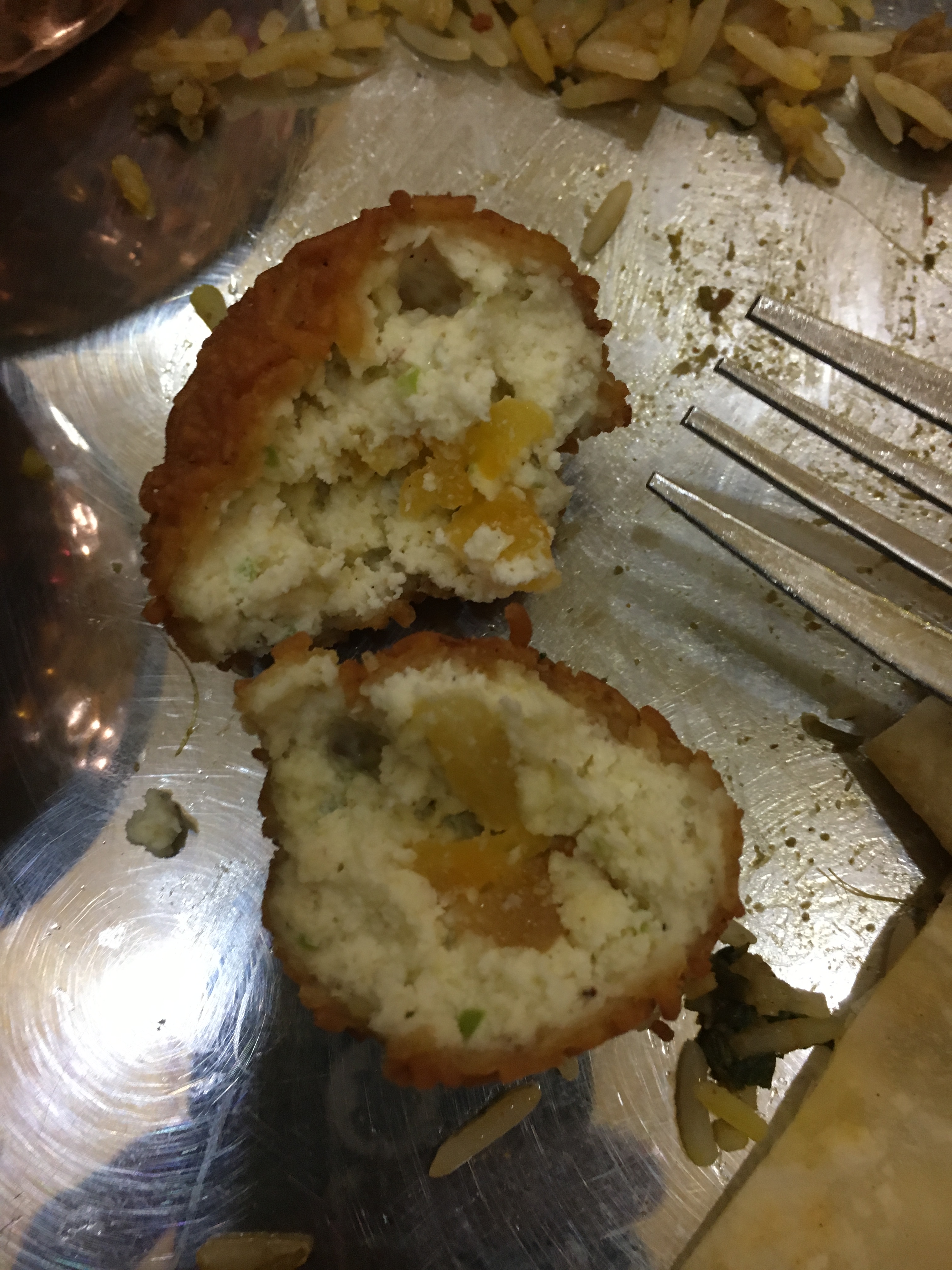
The other part of the main course was a thali with portions of a ‘dahi ki kurkuri’, Daal makhni, ‘kofta lazeez’, Dum aaloo, and a chicken korma. The daal makhni was the star of the platter. The dahi ki kurkuri was a nice addition. It felt crunchy and salty on the outside, reminiscent of Haldiram’s bhujia shev. It was warm and caseous on the inside. The softness and moisture made this a wonderful side to the raita. I’ve never had a ‘dahi ki kurkuri’ before, so I wasn’t quite sure what to expect. As with many other things, this was well made too.
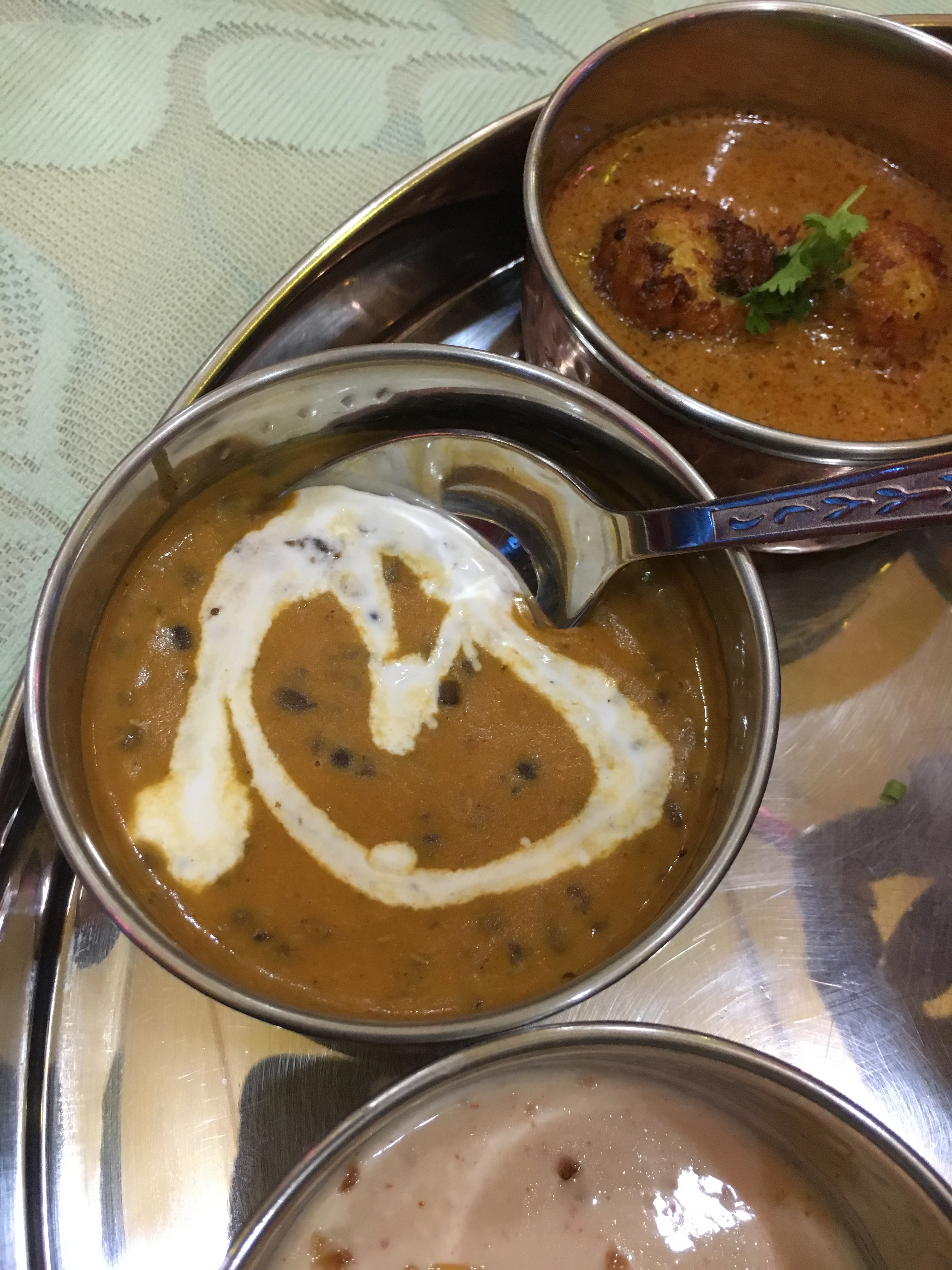
The daal makhni was a daal makhni in it’s true sense. Spice and cream danced in homogeneity with every spoonful I ate. Individual black lentils seamlessly dissolved into a fatty base yet kept their pulse-y flavor. This was a daal that befits royalty. It was deserving of a person who’s taste buds are spoilt everyday with the choicest morsels. So many things must have had to gone right to make this possible. It was smooth from the beginning and went down very well, sticking to your insides on the way. Fat was used judiciously here. It wasn’t certainly a heavy presence, but never felt blatant to ever notice. A daal makhni of this grade pops your eyes, steals your breath, and leaves you spellbound. It’ll haunt you every time you’ll have daal makhni after this, as nothing will ever come close. As did the best daal makhni I’ve had in my life. It wasn’t this one, but the experience was eerily similar. If the daal makhni (that was cooked for three days) I had six years ago was a 10/10, this will probably be a 9.7.
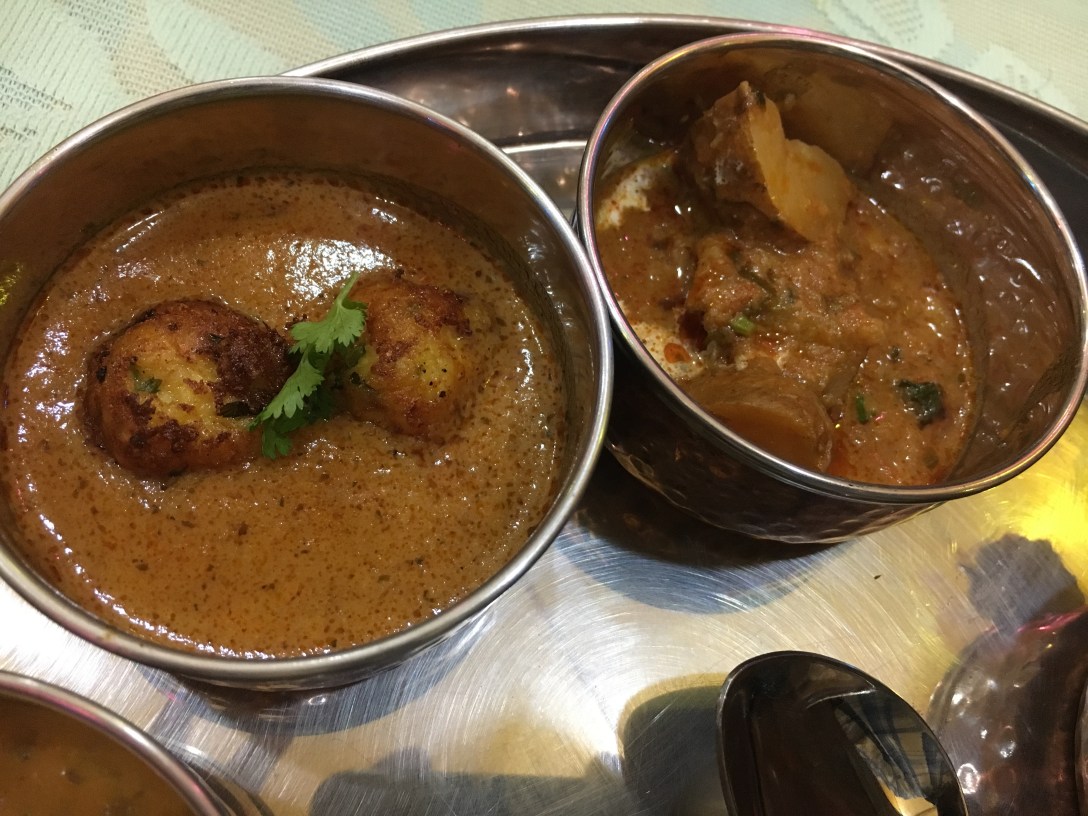
The ‘kofta lazeez’ was another success story. Extra credit is due to the chefs who made an entirely separate potion devoid of cashew nuts just for me. Koftas elsewhere are a depressing story. They’re just balls dipped in a sad gravy. Koftas are treated like a crowd puller. They look good, sound good, and its what people like to remember as a fancy part of the menu. Some people don’t care if it was well done. “Hey, the menu had koftas.” Let me just say, these guys hit it right out the park with this dish. The preparation was the embodiment of the word ‘lazeez’. This was a welcome diversion of the sad gravy one is used to tasting in a plate of multiple curries. Gravies at such places taste like variations of more or less the same master formula. This was a gravy that was its own entity, it had its own personality. It was distinct, married to the kofta that felt like an integral part of the whole preparation. The koftas were amazingly smooth and never felt like an outsider addition to a preexisting gravy. This is kofta and the gravy the is meant to go together. Without one another, everything is a total loss. This might have been the best kofta curry I’ve had in years or ever. If this were had on an empty stomach it woulda sent shivers across your body. So damn good.
The dum aloo was on my list next. It was woefully inadequate. Dum aaloo done well is a potato preparation that sears your insides, and gets you sweating. I recently had the chance to try food made by actual people from where dum aloo is popular. This was puny in comparison. How could have they messed this up? The whole thing was so insincere. The potatoes were dull, the gravy tasted industrially made, and the texture was off. Juxtaposed to the runaway successes I described earlier, this was lackluster and mediocre. Had more thought been put in making this, I would have not been so disappointed. Unsatisfied, I moved on.
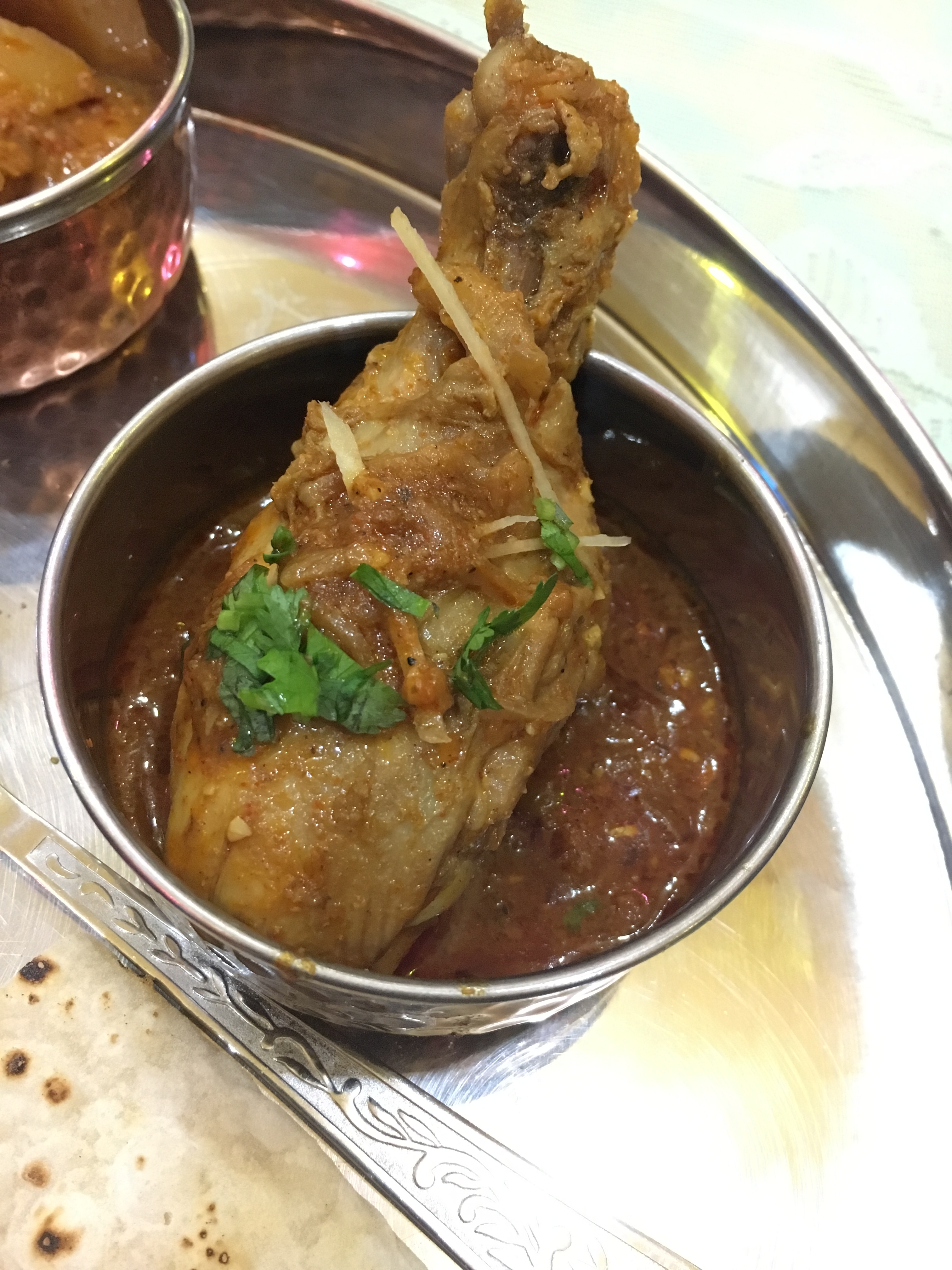
The next item on the menu was the chicken korma. It was a delight. It was pretty similar to the saoji style of chicken cooked in central India. Saoji chicken is characterized by sharp spices, an oily slightly runny gravy (not thick or creamy). This chicken checked most of the boxes. It was very nicely made. The spices and the heat hit me sequentially, as expected. I was expecting different, coming to a Mughal themed dinner, but this was a pleasant surprise nonetheless. What I must stress on was how well the chicken leg was done. The garnishing and ginger strips were welcome additions, but I was blown away by how rich and succulent it was. The chicken leg wasn’t the typical chicken leg in an average restaurant. It was saturated, soaked, and remarkably well marinated in the juices it lay in. Most of you reading this have had chicken like this before. It’s remarkably juicy when you bite into it; the meat isn’t chewy and breaks apart into shreds easily. They’re all signs of nicely made chicken. Nothing much was to talk about here. The spicy oil burns the back of your mouth. It seeps into the crevices between your teeth and warms it up too. Salivation is inevitable. The only way ahead is to keep eating more of it.
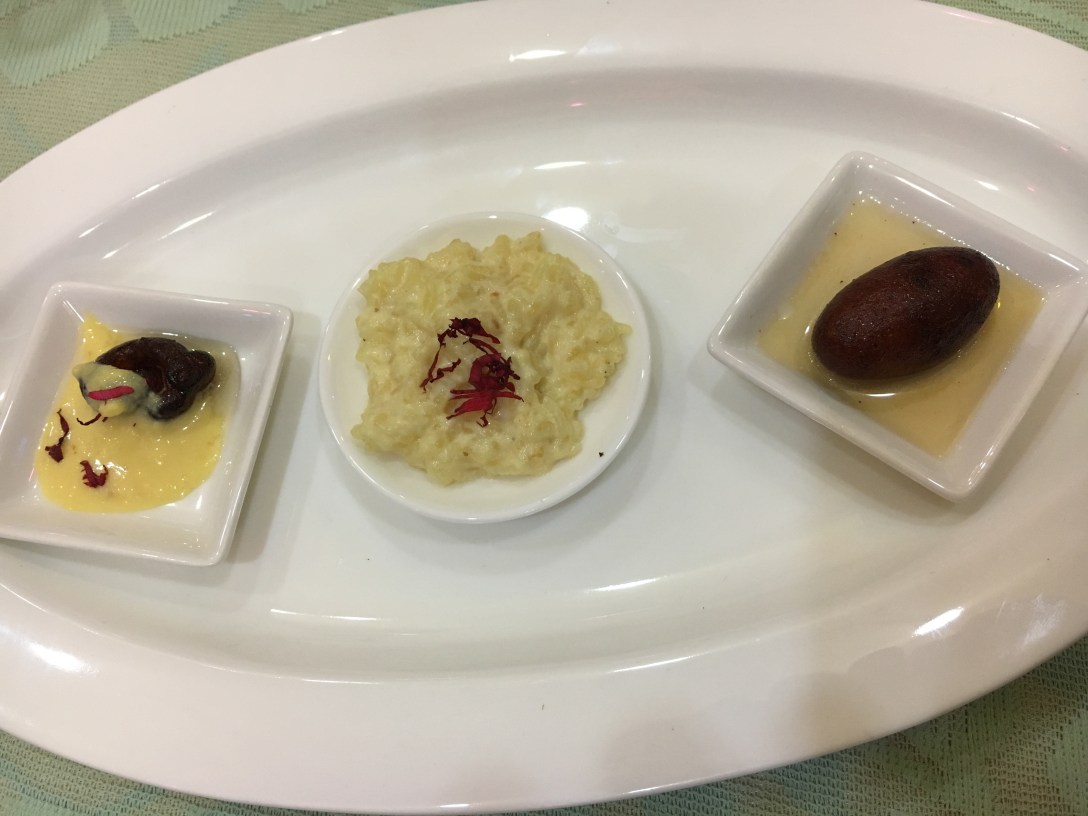
They took my order for dessert about three quarters of my way through the main course. The dessert came on its own platter. It was a shehd-e-jaam- an elongated gulaab jamun (without any dry fruits as requested), a kheer, and a jalebi with rabdi. The shehd e jam was a little too crumbly and lacked the softness associated with a premium gulaab jamun. It was rough and broke apart, quite an unpleasant surprise. The kheer was wonderful and came generously topped with saffron. I don’t quite remember the gourmet name, but ‘kheer’ was what I was told its simplified name was. It was a delight. It had an unexpectedly thick consistency with the sugar crystalizing out being very perceptible. This had a very strong dairy presence that further accentuated how rich and thick it was. It was viscous, thick and sticky and was every bit euphoric on the way down. The saffron did a great job of further enhancing the kheer and making it more ‘royal’. This was some fantastic kheer. The jalebi with rabdi was a missed shot in my opinion. I’m no fan of rabdi, therefore I’m going to leave that part. It was the jalebi that bothered me more. Maybe they plated the unacceptable part of the batch. The jalebi was a disappointment. It was too dark, was overdone to a crisp, and lacked any discernable features to be an enjoyable as a jalebi. The saffron and rabdi helped salvage a little, but had they simply paid more attention, maybe I could’ve gotten a better one and had gone over the moon singing its praises.
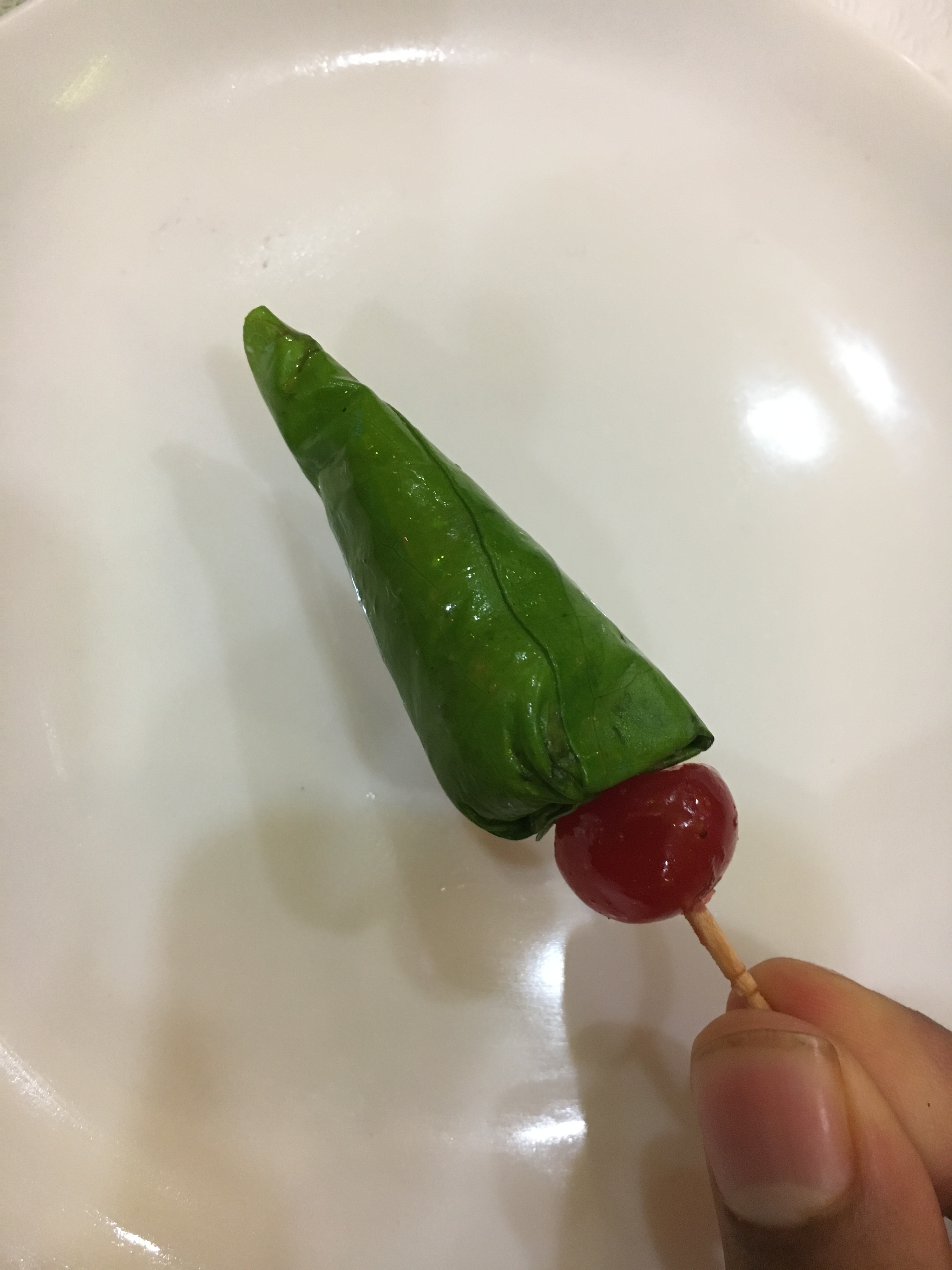
The paan that came after the dinner was a bummer too. I later heard it was outsourced from elsewhere. How could someone get paan wrong? Especially if they’re not doing it themselves. Pretty much every paan stall outside the establishment is very capable of delivering on a very decent paan. Had it been made by a bumbling amateur, they could have merited the benefit of doubt from me, but sourcing paan from an incompetent paan maker is unacceptable in my humble opinion. A good paan is quintessential in satisfying the guest in the end. Should it be well made, the guest leaves with a smile on his face, his insides thanking him. The paan was overly sweet and lacked most of the other ingredients. The fennel, the lime paste, the clove ‘toothpick’, the sharp areca nut cuttings… I could go on. This was a form over function paan, made to please the eyes, the least concerned sense when it comes to paan. Heck, it was so bad I even ranted a little about it too. The organizers concluded their regret as expected, but I’m still salty.
I guess this is the part where I summarize my review. All in all, this dinner was very hard to review. It took me weeks to come up with descriptions for food that was ineffable. This is good food. This is the standard to which food is kept at when you eat the same food elsewhere. It was challenging for me to review and critique this especially when this was food that raises the bar to what good food actually is. They got a lot of things right and gave meticulous attention to detail. I’ve seldom been to dinners like these. More so, where the hosts were so warm and went out of their way to make you comfortable. This is a dinner that struck the balance good food and service, with neither being felt compromised on. It’s food like this that satisfies the soul, reminds you of what good food actually is and keeps you wanting to come back.
 Gourmet Food Reviews